Best Practices Series: Creating Clear Itemized Pricing in Limo Anywhere
Clear pricing supports better communication. It reduces questions, speeds up approvals, and helps prevent billing issues.
Limo Anywhere gives you the flexibility to structure pricing in a way that’s both accurate and easy for clients to understand.
Here are a few best practices for creating clean, consistent, itemized pricing.
Why Itemized Pricing Matters
A well-structured pricing breakdown helps:
- Set clear expectations before the trip
- Reduce back-and-forth with clients
- Make invoices easier to understand
- Support internal consistency across your team
When pricing is unclear or inconsistent, it creates confusion—even when the total is correct.
1. Keep the Structure Consistent
Your pricing should follow a predictable format across all reservations.
A common structure:
- Base Rate (Hourly or Point-to-Point)
- Additional Time / Wait Time
- Tolls / Parking
- Service Fees (if applicable)
- Gratuity (if included or suggested)
Using the same structure every time makes pricing easier to read and easier to manage.
2. Use Clear, Client-Friendly Labels
Avoid internal shorthand or vague descriptions.
Instead of:
- “Svc Fee”
- “Adj”
- “Misc”
Use:
- Service Fee
- Additional Time
- Parking
- Fuel Surcharge (if applicable)
Clear labels improve readability and reduce follow-up questions—especially for corporate clients reviewing invoices.
3. Separate Included vs. Variable Charges
Not all charges behave the same way, and your pricing should reflect that.
- Included charges (built into the total): base rate, contracted gratuity, standard fees
- Variable charges (based on actual use): wait time, parking, extra stops
Keeping these clearly defined helps avoid misunderstandings and keeps billing aligned with the actual service.
4. Be Intentional with Gratuity and Tip-Related Line Items
Gratuity is one of the most visible—and often most sensitive—parts of your pricing. How it’s labeled and how it functions in the system both matter.
It should always be clear whether a gratuity is included (mandatory/contracted) or voluntary (suggested and adjustable).
Best practices:
- Clearly label gratuity so clients understand what it represents
- Distinguish between included/contracted gratuity and optional/suggested gratuity
- Avoid vague labels like “Standard Gratuity,” which do not clarify whether the amount is required or optional
Recommended Labeling
For voluntary gratuity (client can adjust or remove):
- Suggested Gratuity
- Optional Gratuity
- Recommended Gratuity
For included or mandatory gratuity:
- Included Gratuity
- Contracted Gratuity
- Fixed Gratuity
- Prepaid Gratuity (if collected in advance)
If you use multiple gratuity-related line items, make sure each one is:
- Labeled clearly
- Applied consistently
- Understood by your team
This distinction is increasingly important as tax treatment of tips continues to evolve, including recent “no tax on tips” considerations. While those rules apply at the reporting level, clear labeling at the time of booking and billing helps ensure gratuities are categorized appropriately.
5. Avoid Overloading with Too Many Line Items
More detail isn’t always better.
Too many small or unclear charges can:
- Make pricing harder to read
- Raise unnecessary questions
- Slow down approvals
Group related items where appropriate and focus on clarity over complexity.
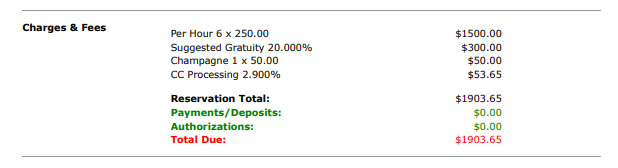
6. Align Pricing with the Reservation
Your pricing should match what’s actually happening on the trip.
- Hourly trips → reflect hours and additional time clearly
- Airport transfers → use a simple, consistent structure
- Event-based trips → include relevant components without overcomplicating the breakdown
Consistency between the trip type and pricing structure improves clarity across the entire process.
7. Build Consistency into Your Setup
Limo Anywhere is designed so that pricing structure and labels don’t need to be recreated for every trip.
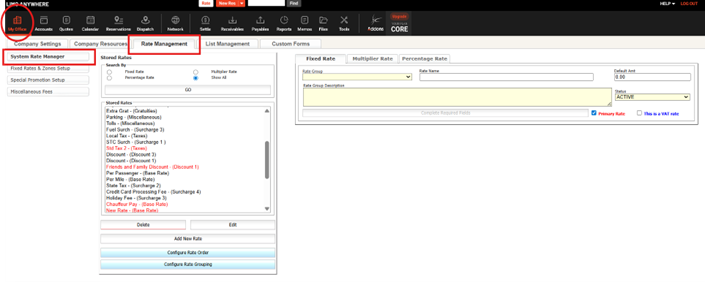
Instead of reviewing and adjusting line items each time, focus on setting up your pricing structure and billing items correctly up front. Once configured:
- Charges populate automatically based on the trip details
- Line item labels remain consistent across reservations and invoices
- Your team can focus on accuracy, not formatting
Best practice:
- Review your pricing setup periodically
- Confirm that billing items are labeled clearly and consistently
- Make adjustments at the system level, not on individual reservations
This approach reduces manual work and ensures a consistent experience for both your team and your clients.
A consistent, easy-to-read pricing structure helps clients understand what they’re paying for and helps your team stay aligned behind the scenes. Clear, intentional labeling—especially around gratuity—also helps ensure charges are understood and categorized correctly from the start.
Recent Posts

Why Customers Still Call Instead of Booking Online
Friday September 18, 2026
Live Webinar: Discover What’s Possible with Limo Anywhere Plus & Black
Thursday September 17, 2026